No products in the cart.

Car Parts
Showing 1–24 of 27 results
- Automotive, Car Parts
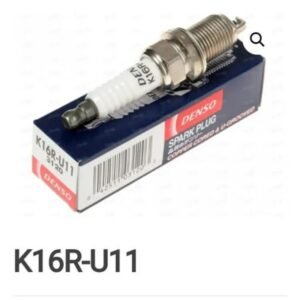
DENSO SPARK PLUG K16R-U11 for xli, gli, yaris, baleno, liana, santro, Apv, cultus EFI, city MN, civic CF
 Automotive, Car Parts
DENSO SPARK PLUG K16R-U11 for xli, gli, yaris, baleno, liana, santro, Apv, cultus EFI, city MN, civic CF
DENSO SPARK PLUG K16R-U11 for xli, gli, yaris, baleno, liana, santro, Apv, cultus EFI, city MN, civic CF [ made in indonesia] • DENSO SPARK PLUG K16R-U11 for various car models. • Year range: 2011-2015. • Made in Indonesia. • Suitable for xli, gli, yaris, baleno, liana,
SKU: 466868267 - Automotive, Car Parts
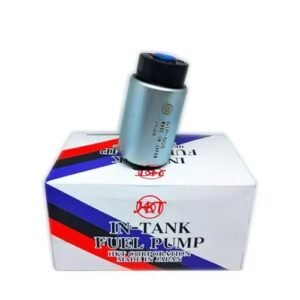
HKT Fuel Pump GIP-503 2003
Toyota Auris NZE151H 2006-2012 1NZ-FE 1.5 L4 23220-22120 Toyota Auris NZE184H 2012- 1NZ-FE 1.5 L4 23220-21181 Toyota Auris ZRE151 2009-2012 1ZR-FAE 1.6 L4 23220-0T021 Toyota Auris ZRE152H 2006-2012 2ZR-FAE 1.8 L4 23220-0T081 Toyota Auris ZZE150 2007-2008 4ZZ-FE 1.4 L4 23220-0D160 Toyota Belta SCP92…
SKU: 439165096 - Automotive, Car Parts
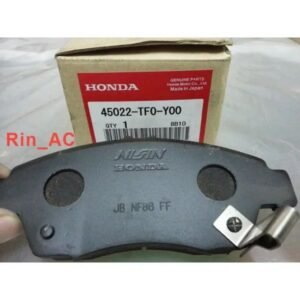
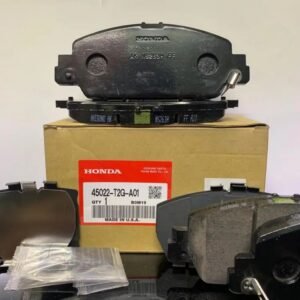
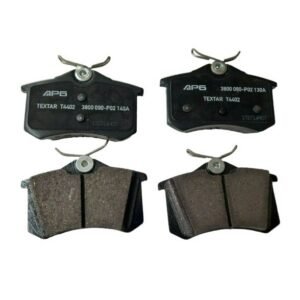
Honda Vezel Genuine Front Brake Pad 2013-2023.
The top-quality formulation for your car to pedal feel from the very first stop, with less noise, dust and fade, along with increased stopping power. Features: Perfect brake control. Long service life, low wear rate on the pad and the disc. Minimal brake dust accumulation. Maximum comfort High…
SKU: 467941194 - Automotive, Car Parts
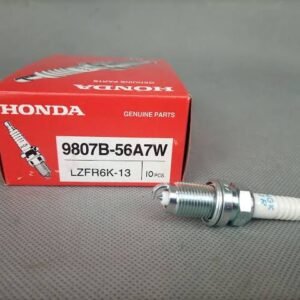
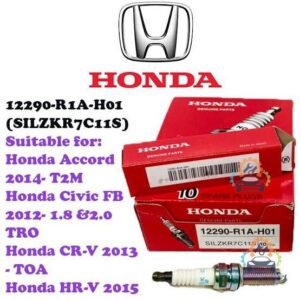
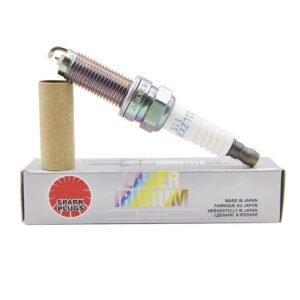
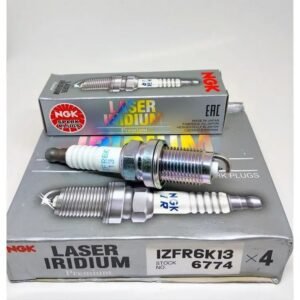
Spark Plug NGK – Laser Iridium – For Honda City (2009 to 2022)
Laser Iridium Spark Plugs Spark Plug NGK – Laser Iridium – For Honda City (2009 to 2022) Laser Iridium® spark plugs provide superior ignitability and long service life. Smallest tip diameter available Iridium / Platinum surfaces ensure slow wear rate providing stable idle, superior anti fouling…
SKU: 466121280
Car Parts in Pakistan – Auto Spare Parts Online
Shop car parts in Pakistan for replacement, repair and routine vehicle maintenance at SmartBazaar. The range can include brake components, spark plugs, filters, horns, fuel-system parts and other vehicle-specific items. Correct fitment matters before you order.
A vehicle name alone may not identify the right part. Model year, generation, engine variant, transmission, trim, front or rear position and part or reference number can affect compatibility. Locally assembled and imported versions may also differ. Similar-looking parts are not automatically interchangeable, so compare the listing with your vehicle details and existing component where possible. Check current product listings for live prices, stock and stated application before buying car spare parts online in Pakistan.
Car Parts in Pakistan — Find the Right Replacement Part
Start with the component you need, then narrow your choice by vehicle fitment. SmartBazaar’s Car Parts category can include brake components, spark plugs, air and oil filters, horns, fuel-system parts and other replacement items. This is more reliable than searching only by vehicle brand because one manufacturer can use different parts across models, generations and engines.
If you are replacing an existing component, compare its identifying information with the listing. A readable part number or supplier code can help narrow the search. For related maintenance needs, you can also browse automotive products, shop engine oils or compare car fluids.
Why Vehicle Fitment Matters When Buying Car Parts
Fitment means whether a component matches the exact vehicle configuration and intended position. A model name may cover several generations, engines, trims and transmission types. Parts can also change between model years or production periods.
For engine-related parts, the engine variant or code may matter. Brake components can differ by front or rear axle and braking system. Electrical parts can vary by connector, mounting or specification. Locally assembled and imported variants may also use different components. Do not rely on appearance alone; two parts can look similar while differing in dimensions, connections or reference numbers.
How to Use Part Numbers & OEM References
A part or reference number can identify a component more precisely than a photo. You may see a vehicle-manufacturer part number, OEM reference, supplier number or aftermarket manufacturer code. These systems are not always interchangeable.
If the existing component has a readable number, compare it with the product listing and stated application. A matching number can help narrow compatibility, but vehicle details still matter because superseded numbers and different versions can exist. Use the number together with make, model, year, engine and position.
Brake Pads & Brake Components
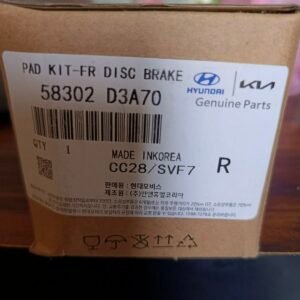
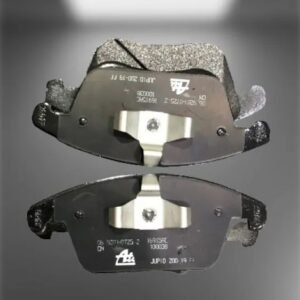
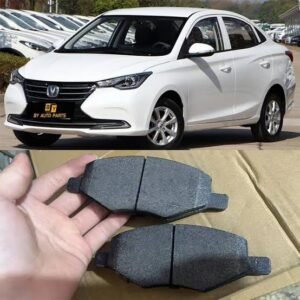
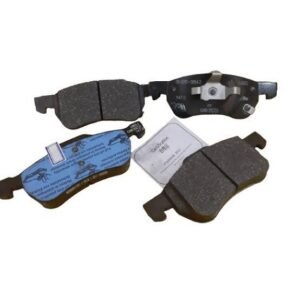
Brake pads can vary by model, generation, trim, axle position and braking system. One vehicle name may use different pad designs across different years or versions. Before ordering, confirm the exact vehicle, required axle position and any relevant reference number. A part listed for one version should not be assumed to fit every version with the same model name.
Front vs Rear Brake Pads
Front and rear brake pads are different applications. They can use different shapes, dimensions and part numbers. A listing marked “front” should not be assumed to fit the rear, and a rear set should not be treated as suitable for the front. Confirm the axle position explicitly.
Spark Plugs — Match the Engine, Not Just the Vehicle Name
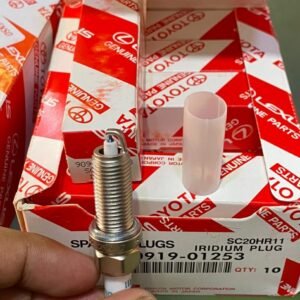
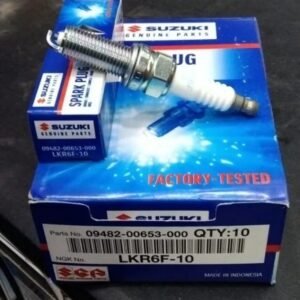
Spark plugs should be selected by engine application and required specification. Useful checks can include part number, thread, reach, heat range and electrode design. One vehicle model can use different engines across years or markets, so the model name alone may be insufficient. Brands such as NGK or Denso offer many plug designs, and brand recognition does not establish compatibility.
What Does Iridium Mean?
Iridium refers to an electrode material used in some spark-plug designs. It does not mean universal compatibility or automatically make a plug correct for every engine. An iridium plug still needs the correct dimensions, heat range and application. Match the plug specification to the engine rather than choosing by electrode material alone.
Air Filters & Oil Filters
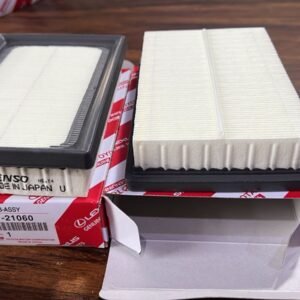
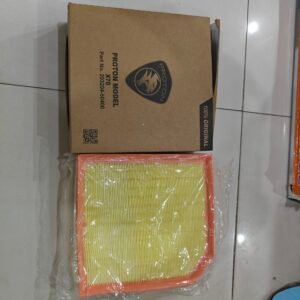
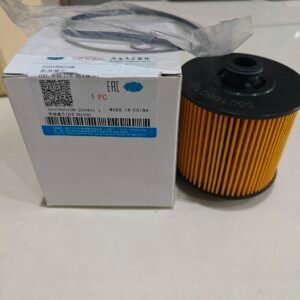
Filters should be matched to the engine and application. Important details can include dimensions, sealing design, part number and manufacturer application data. Two filters may look almost identical but differ enough in size or sealing surface to prevent correct fitment. Confirm the engine variant and reference number where available.
Fuel Pumps & Fuel-System Parts
Fuel-system components can be highly application-specific. Compatibility may depend on model year, engine code, electrical connector, mounting arrangement and reference number. A product title listing several vehicles should not be treated as proof that it fits every version. Use detailed application information and part references before ordering.
Car Horns & Electrical Replacement Parts
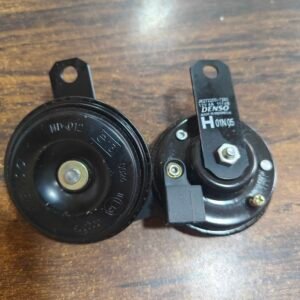
Electrical replacement parts can differ by voltage, connector, mounting and vehicle application. Some products may cover several vehicles, but “universal” compatibility should not be assumed without supporting information. For horns, bulbs and other electrical items, compare the stated electrical and physical specifications with your vehicle requirement.
Genuine, OEM & Aftermarket Car Parts
“Genuine” usually refers to a part sold under the vehicle manufacturer’s brand or official parts system. “OEM” may refer to an original equipment manufacturer that supplies components used by vehicle makers. Aftermarket or compatible parts are alternatives produced for specified vehicle applications outside the vehicle manufacturer’s branded parts channel.
These labels describe sourcing or market positioning; they do not prove fitment. A genuine-branded part can still be wrong for another generation or engine, while an aftermarket part may be suitable when its specification and application match. Check the exact part information rather than relying only on the label.
Are Aftermarket Parts Always Worse?
No blanket rule applies. Aftermarket parts vary by manufacturer, specification, materials, application and quality control. The practical question is whether the part matches the vehicle and whether the listing provides reliable identifying information. Compare fitment, references and specifications instead of treating “aftermarket” or “genuine” as a universal quality verdict.
What Affects Car Parts Prices in Pakistan?
Car parts prices can vary by component type, vehicle application, manufacturer, sourcing, specification, current stock and imported or local availability. Genuine, OEM and aftermarket positioning can also affect price. Because prices change, use SmartBazaar’s current product listings for live information. Compare price only after confirming that the products suit the same application.
How to Check Compatibility Before Ordering
- Identify the exact part: Know the component type you need.
- Confirm make and model: Start with the full vehicle identification.
- Check year and generation: Parts can change between versions.
- Confirm the engine: Check the engine variant or code where relevant.
- Check position: Confirm front, rear, left or right where applicable.
- Compare references: Use the existing part number, OEM reference or supplier number where available.
- Read stated fitment: Compare the listing with your vehicle details.
- Check relevant specifications: Compare dimensions, connectors or other stated details where needed.
- Resolve uncertainty: Do not order on a guess if key fitment information is unclear.
Common Mistakes When Buying Car Spare Parts Online
Common mistakes include buying only by vehicle model, ignoring model year or engine variant, and assuming visual similarity means compatibility. Brake buyers can overlook front versus rear application, while spark-plug buyers may focus on electrode material instead of the required specification. Shoppers can also rely too heavily on a brand name or the word “genuine” without checking the part number.
A better process combines vehicle details, application data and reference numbers. These checks are especially useful for imported and locally assembled versions that share a model name but may use different components.
Buying Car Parts Online in Pakistan
When you buy car parts online in Pakistan, review the complete listing rather than the title alone. Check stated fitment, part number, quantity, current price, stock and relevant specifications. If the component is vehicle-specific, compare those details with your vehicle before ordering. This gives you a clearer basis for choosing among car spare parts online in Pakistan without relying on guesswork.
Frequently Asked Questions
How do I find the correct car part for my vehicle?
Start with make, model, model year and generation. Add the engine variant or code where relevant, then check the required position and part or reference number. Compare these details with the listing instead of relying on the vehicle name or product image alone.
Is vehicle model alone enough to confirm compatibility?
Not always. One model can have different generations, engines, trims, transmissions and braking systems. Imported and locally assembled versions can also differ. Model year, engine information, position and part number may be needed.
What is an OEM or part number?
A part number is an identifying code assigned to a component. An OEM reference may identify an original-equipment application or manufacturer reference. Supplier and aftermarket numbers can use different systems, so compare the number together with the vehicle application.
What is the difference between genuine, OEM and aftermarket car parts?
Genuine parts are generally sold under the vehicle manufacturer’s brand. OEM can refer to manufacturers that supply original-equipment components. Aftermarket parts are alternatives made for specified applications. None of these labels proves fitment by itself.
How do I choose the correct brake pads?
Confirm the make, model, year, generation, braking system and axle position. Compare the product or reference number where available. Different versions of the same model can use different pads.
Are front and rear brake pads interchangeable?
No. Front and rear pads are different applications and can use different shapes, dimensions and reference numbers. Check the axle position before ordering.
How do I choose the correct spark plugs?
Match the plug to the engine application. Check the required part number and, where relevant, thread, reach, heat range and electrode design. Use engine-specific application information rather than the vehicle model name alone.
Are iridium spark plugs compatible with every car?
No. Iridium describes an electrode material, not universal compatibility. The plug still needs to match the engine’s required dimensions, heat range and application.
How do I find the correct air or oil filter?
Check the engine application, part number, dimensions and sealing design where available. Similar-looking filters can differ in important measurements or sealing surfaces.
What should I check before buying car parts online in Pakistan?
Confirm the part type, vehicle make and model, year, generation, engine variant, required position and part or reference number. Review the listing’s fitment information, current price, stock and quantity, and resolve any uncertainty before ordering.