
No products in the cart.

Engine Oil
Showing 25–28 of 28 results
- Automotive, Engine Oil
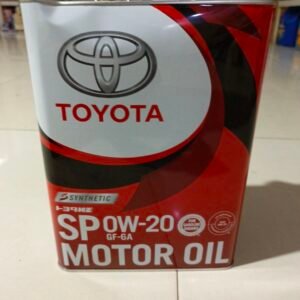
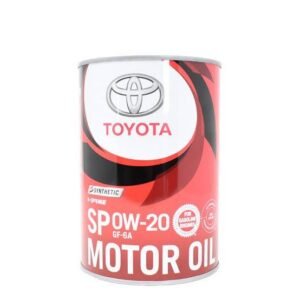
Toyota Genuine Engine Oil Synthetic SP 0W-20 – 4Ltr
100% Original Toyota Genuine Engine Oil Synthetic SP 0W-20 – 4Ltr | Genuine OEM Toyota Engine Oil Fully Synthetic Specially formulated by Toyota for Toyota vehicles For gasoline engines Provides quality engine effectiveness Genuine Toyota fluids: The long-life, high-performance fluid. More than…
SKU: 435986524
Engine Oil Price in Pakistan – Car Engine Oils
Compare engine oil price in Pakistan and browse car engine oils for different vehicle requirements at SmartBazaar. The current range can include several brands and SAE viscosity grades for routine servicing and manufacturer-specified applications. The correct oil is not decided by brand or price alone. Your vehicle manufacturer may specify a particular viscosity grade together with an API, ACEA or manufacturer-specific performance requirement.
Before ordering, check the owner’s manual or approved vehicle information and compare it with the product listing. Grades such as 0W-20, 5W-30 and 10W-40 describe viscosity behaviour, but the grade alone does not prove compatibility. Use current product cards to compare live prices, pack sizes and available options, then choose an oil that matches your engine’s required specification.
Engine Oil Price in Pakistan — What Affects the Cost?
Engine oil prices vary because products differ in brand, formulation, viscosity grade, performance specification and pack size. Imported supply, current stock and market conditions can also affect the amount shown online. Oils may also carry different API or ACEA categories, manufacturer specifications, or fully synthetic, semi-synthetic or mineral formulations.
A higher price does not automatically make an oil suitable for your car. Pack size also changes the total price, so compare like-for-like products only after confirming the required specification. For the current engine oil price in Pakistan, use SmartBazaar’s live product cards rather than relying on an old market estimate or a fixed generic price range.
How to Choose the Right Engine Oil for Your Car
Start with the vehicle manufacturer’s requirement. Check the owner’s manual or approved technical information for the required SAE viscosity and any API, ACEA or manufacturer-specific specification. Confirm that the oil is intended for the relevant engine application, then select a pack size that matches the required service quantity.
Brand alone does not prove suitability. Price alone does not prove quality or compatibility. Viscosity alone is also insufficient because two oils marked 5W-30, for example, may meet different performance standards. Match specification first, application second and quantity third, then compare available brands and prices.
Understanding Engine Oil Viscosity Grades
SAE viscosity grades describe how oil behaves under defined temperature conditions. In a multigrade such as 5W-30, the number before “W” relates to low-temperature viscosity behaviour. The second number relates to viscosity behaviour at higher operating temperatures under the SAE classification. These numbers describe flow characteristics; they do not rank oils from worst to best.
A higher second number does not automatically mean better protection, and a lower first number does not make an oil universally suitable. The correct grade is the one permitted for the specific engine together with its required performance specifications.
0W-20 Engine Oil
0W-20 is a multigrade viscosity classification. Some manufacturers specify it for particular engines, but it is not automatically correct for every new car, Japanese car or hybrid. Check the exact vehicle requirement and any API, ACEA or manufacturer-specific specification that must also be met.
5W-30 Engine Oil
5W-30 engine oil is used in many applications, but the grade alone does not identify the correct oil for a particular vehicle. Two 5W-30 products can meet different performance standards. Use the manufacturer’s viscosity and specification requirements together.
10W-40 Engine Oil
10W-40 has different low- and high-temperature viscosity behaviour from 0W-20 or 5W-30. Vehicle age or mileage alone does not mean 10W-40 should be used. Manufacturer guidance and the engine’s actual condition matter.
Can You Change From One Viscosity Grade to Another?
Do not switch between 0W-20, 5W-30, 10W-40 or another grade simply because one is cheaper, easier to find or perceived as thicker. Some manufacturers permit more than one viscosity under defined conditions, while others specify a narrower choice. Any acceptable alternative should come from the owner’s manual, manufacturer documentation, authorised technical information or qualified professional guidance for the specific vehicle.
API Engine Oil Ratings Explained
API classifications describe defined engine-oil performance requirements. Labels such as API SN, API SN Plus and API SP may appear on oils for gasoline-engine applications. API SP is a newer category than API SN and includes additional performance requirements relevant to modern gasoline engines.
A newer category should not be treated as automatic proof that an oil suits every engine. Compare the API category required by the vehicle manufacturer with the classification stated for the oil. Do not infer an API rating from viscosity, brand or packaging.
What Does ACEA Mean?
ACEA classifications are engine-oil performance categories often referenced by European vehicle manufacturers. A vehicle may require an ACEA category, a manufacturer-specific approval, or both. SAE viscosity and ACEA classification answer different questions: viscosity describes flow behaviour, while ACEA categories relate to defined performance requirements.
Two 5W-30 oils are therefore not automatically interchangeable if their required ACEA categories or manufacturer specifications differ. Match the full requirement, not only the large viscosity number on the front of the pack.
Fully Synthetic, Semi-Synthetic & Mineral Engine Oil
Fully synthetic, semi-synthetic and mineral describe broad formulation categories. Fully synthetic oils use highly refined and/or synthesised base stocks with additive systems according to the formulation. Semi-synthetic oils use a blend of base-oil types, while mineral oils use conventionally refined mineral base oils.
These labels do not replace the vehicle specification. Fully synthetic is not automatically correct for every engine, and mineral oil is not automatically unsuitable. Confirm the required viscosity and performance standard first, then compare formulation type where relevant.
Engine Oil for Honda, Toyota, Suzuki & Other Cars
Selecting oil by vehicle brand alone is a common mistake. Honda, Toyota, Suzuki and other manufacturers have multiple models, generations, engines, model years and regional specifications. Different vehicles from the same brand can require different viscosity grades and performance standards.
Identify the exact vehicle and engine requirement instead of assuming one grade belongs to an entire brand. Even a vehicle-branded oil should be checked against the specification for the exact model and engine.
How Much Engine Oil Does Your Car Need?
Oil capacity varies by engine, model, model year and service procedure. The required quantity can also change depending on whether the oil filter is replaced during the service. A retail pack size such as 1L, 3.7L or 4L does not prove that the whole pack is the correct amount for every engine.
Check the manufacturer’s specified fill capacity for your exact engine and service procedure before choosing the quantity to buy.
Does Pakistan’s Climate Decide Which Engine Oil to Use?
Climate can be one operating consideration, but it should not replace the vehicle manufacturer’s viscosity and performance guidance. Advice such as “use thicker oil because Pakistan is hot” is too broad for different engine designs. Use the manufacturer-approved viscosity range and required specifications as the primary reference.
Does an Older or High-Mileage Car Need Thicker Oil?
Vehicle age or mileage alone does not automatically justify moving to a higher-viscosity oil. Engine condition, manufacturer guidance and any approved high-mileage formulation may be relevant. If an engine is consuming oil, leaking or showing mechanical symptoms, changing viscosity should not be used as a substitute for proper diagnosis.
Engine Oil Is Not the Same as Transmission Fluid
Engine oil lubricates the engine. Transmission fluid is formulated for the transmission system, and different transmissions can require specific ATF or CVT fluids. They are not interchangeable. If you need transmission fluid rather than engine oil, browse the Car Fluids category and verify the transmission specification before ordering.
What to Check Before Buying Engine Oil Online
- Vehicle make and model: Start with the exact vehicle, not the brand alone.
- Model year and generation: Requirements can change between versions.
- Engine variant: Confirm it where different engines use different oils.
- SAE viscosity: Match the permitted grade.
- API or ACEA specification: Check the required performance category.
- Manufacturer requirement: Verify any vehicle-maker specification where applicable.
- Formulation: Note synthetic, semi-synthetic or mineral classification where relevant.
- Pack size: Compare quantity with the specified fill capacity.
- Current price: Use the live listing for the latest SmartBazaar price.
- Product details: Check that the title, description and label information are consistent before ordering.
You can also browse other automotive products for related vehicle-maintenance needs.
Frequently Asked Questions
What is the current engine oil price in Pakistan?
The current engine oil price in Pakistan depends on brand, viscosity, formulation, performance specifications, pack size, availability and market conditions. There is no single useful price for every oil. Check SmartBazaar’s current product cards for live prices, then compare products that meet your vehicle’s required viscosity and performance specification.
How do I know which engine oil my car needs?
Check the owner’s manual or approved manufacturer information. Identify the required SAE viscosity, then confirm API, ACEA or manufacturer-specific specifications where applicable. Also verify the model year and engine variant. Do not choose oil only because the brand, price or viscosity looks familiar.
What does 5W-30 mean in engine oil?
5W-30 is an SAE multigrade viscosity classification. The “5W” part relates to low-temperature viscosity behaviour, while “30” describes viscosity behaviour at higher operating temperatures. It does not mean all 5W-30 oils are interchangeable because performance specifications can differ.
What is the difference between 0W-20, 5W-30 and 10W-40?
These grades have different SAE viscosity characteristics at lower and higher temperatures. They are not a quality ranking. A grade is suitable only when it falls within the vehicle manufacturer’s permitted viscosity requirements and the oil also meets the required performance specifications.
Can I use 10W-40 instead of 5W-30?
Only if the vehicle manufacturer permits 10W-40 for the specific engine and operating conditions, or qualified technical guidance confirms it is appropriate. Do not change grade simply because another oil is cheaper, more available or assumed to suit an older engine.
What is the difference between API SN and API SP?
API SN and API SP are performance categories for gasoline-engine oils. API SP is newer and includes additional performance requirements for modern engine concerns. The correct choice still depends on the vehicle manufacturer’s specification; a newer category does not make every oil universally suitable.
Is fully synthetic engine oil always better?
No. Fully synthetic describes a formulation approach, not universal compatibility. Suitability begins with the required viscosity and performance specifications. Choose the formulation that meets the vehicle manufacturer’s requirements rather than relying on the “fully synthetic” label by itself.
Can I choose engine oil based on Pakistan’s hot weather?
Climate should not replace the manufacturer’s oil requirements. Some vehicles may permit different viscosity grades for defined temperature ranges, but that guidance should come from manufacturer documentation. Avoid choosing a higher-viscosity oil only because Pakistan has hot weather.