
No products in the cart.

Automotive
Showing 73–91 of 91 results
- Automotive, Car Fluids
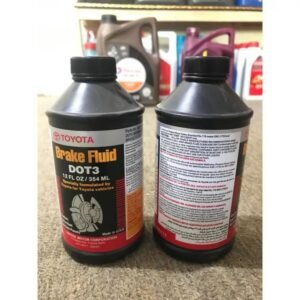
Toyota Genuine Brake Fluid DOT 3 – 354 ML
Developed brake and hydraulic clutch systems Reduce vapor lock by providing a higher boiling point Superior metal component protection Helps prevent corrosion and leakage For use in the master brake cylinder Meets/exceeds DOT 3 performance specifications
SKU: 436348469 - Automotive, Car Fluids
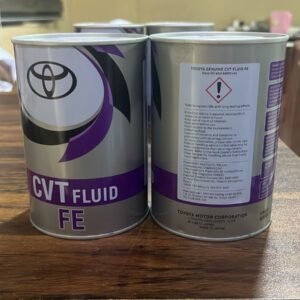
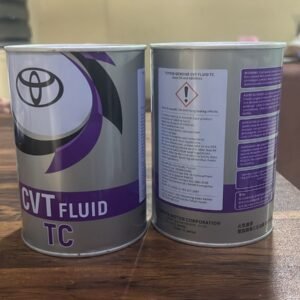
TOYOTA Genuine CVT FE Fluid – 4 Liter
Toyota CVT Fluid FE for Super is a high quality original equipment manufacturer CVT Fluid with low viscosity. It is suitable for Toyota CVT automatic transmission gearboxes. Because of its valuable formula and unique additivation Toyota CVT Fluid FE for Super guarantees best force transmission and…
SKU: 436351053 - Automotive, Car Fluids
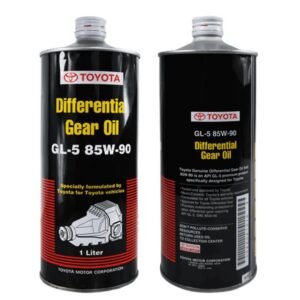
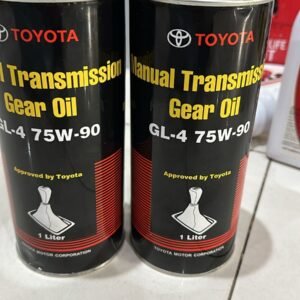
Toyota Genuine Differential Gear Oil GL5 85W-90 | 1Ltr
Toyota Differntial Gear Oil GL-5 85W-90 – 1 Litre Toyota Genuine Gear Oil are high performance Gear oil having outstanding extreme pressure characteristics and load – carrying properties, intended for use in all type of Toyota Vehicles.Manual transmission contain a synchro mechanism, an oil with as…
SKU: 435988383 - Automotive, Engine Oil
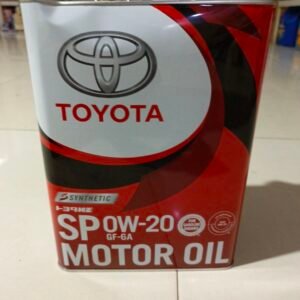
Toyota Genuine Engine Oil Synthetic SP 0W-20 – 4Ltr
100% Original Toyota Genuine Engine Oil Synthetic SP 0W-20 – 4Ltr | Genuine OEM Toyota Engine Oil Fully Synthetic Specially formulated by Toyota for Toyota vehicles For gasoline engines Provides quality engine effectiveness Genuine Toyota fluids: The long-life, high-performance fluid. More than…
SKU: 435986524 - Automotive, Car Fluids
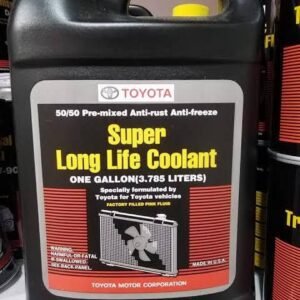
Toyota Super Long Life Coolant Pre-Mixed Anti-Rust Anti-Freeze…
Genuine TOYOTA Pre-mixed Anti-rust Anti-freeza/Super Long life Coolant is a new generation ethylene glycol-based premium engine coolant, offering excellent corrosion protection formulated specifically for all TOYOTA engines (freeze-ups to -37C) and meets all TOYOTA warranty requirements. For…
SKU: 436499193 - Automotive, Car Fluids
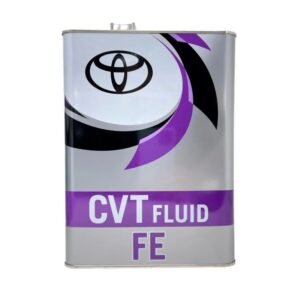
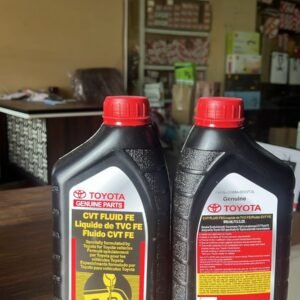
TRANSMISSION FLUID CVT FE 1L. – TOYOTA MOTOR OIL
Toyota CVT Fluid FE for Super is a high quality original equipment manufacturer CVT Fluid with low viscosity. It is suitable for Toyota CVT automatic transmission gearboxes. Because of its valuable formula and unique additivation Toyota CVT Fluid FE for Super guarantees best force transmission and…
SKU: 479681090

Automotive Products & Car Maintenance Essentials in Pakistan
Find automotive products for routine maintenance, replacement needs and vehicle upkeep at SmartBazaar Pakistan. The current range can include car parts, engine oils, transmission and CVT fluids, spark plugs, filters, brake components, coolant, horns and other vehicle maintenance products. Start by identifying the system or product type your car needs, then compare the specifications shown on the relevant product page.
Correct fitment matters. A part, oil or fluid should not be selected only because it appears suitable for the same vehicle name. Model year, generation, engine variant, transmission type, part number and manufacturer requirements can change what is suitable. Before ordering, check your vehicle details, the product specification and any reference or OEM number shown. This is especially useful in Pakistan, where locally assembled and imported vehicle variants can sometimes differ.
Shop Automotive Products for Car Maintenance
The Automotive category brings together products used across several vehicle systems. You may be replacing a worn component, preparing for routine servicing or looking for the correct lubricant or fluid. A useful starting point is to identify whether you need a replacement part, engine lubricant, transmission fluid, filter, ignition component, brake item, coolant or electrical accessory such as a horn.
For replacement components, browse the car parts range. For lubricants, compare the current engine oil selection. Transmission, CVT and other vehicle fluids are grouped under car fluids. These dedicated categories make it easier to compare products by application instead of relying on a broad search alone.
How to Find the Right Automotive Product for Your Car
Buying by vehicle name alone may not be enough. Two cars with the same model name can use different parts or fluids because of changes in model year, generation, engine, transmission or market specification. Before choosing a product, note the make, model, year and generation. Then check the engine variant or engine code where relevant, plus the transmission type for transmission-related products.
Position also matters. Brake parts can differ between the front and rear axle, while filters, spark plugs and fuel-system parts can vary by engine. A part number, OEM number or other reference number is often a useful matching point. Compare the number on the existing part, service documentation or manufacturer information with the product listing where possible.
Locally assembled and imported versions can sometimes use different components even when the model name is the same. Use the most specific vehicle and product information available before ordering rather than assuming one item fits every version.
Car Parts — Why Fitment Matters
Replacement parts need to match the vehicle configuration and intended position. Brake components, filters, spark plugs, fuel-system parts, horns and other maintenance components can differ by generation, trim, engine or system design. A component that looks similar in a photo can still have different dimensions, connectors or mounting points.
Check the listed application and reference number instead of using appearance as the main guide. If you know the exact part or OEM number, use it to narrow your search. Browse the dedicated replacement car parts category for currently listed components.
Engine Oils — Check More Than Viscosity
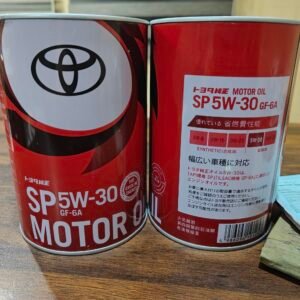
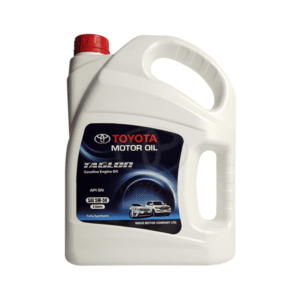
Engine oil selection should begin with the vehicle manufacturer's required specification. SAE viscosity is important, but it is only one part of the decision. Product labels may also show API classifications, ACEA specifications, manufacturer-specific requirements, intended petrol or diesel applications, and pack size.
Grades such as 5W-30 and 10W-40 are common examples, but the grade alone does not prove an oil is suitable for every engine. Two oils with the same viscosity can meet different performance standards. Do not choose oil solely because a grade appears suitable for local weather. Check the owner's manual or manufacturer specification first, then compare suitable products in the engine oil category.
What Does an SAE Grade Mean?
An SAE grade describes how engine oil behaves under defined temperature conditions. In 5W-30, the first number with “W” relates to low-temperature viscosity behaviour, while the second relates to viscosity at higher operating temperatures. One grade is not automatically better than another. The correct choice is the grade and performance specification required for the engine.
Transmission, ATF & CVT Fluids
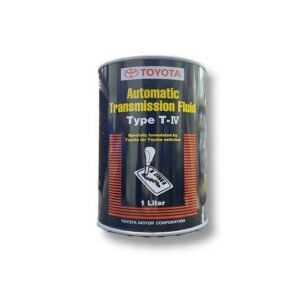
Transmission fluids are specification-sensitive. Automatic transmissions, continuously variable transmissions and other transmission designs can require different formulations. ATF usually refers to automatic transmission fluid, while CVT fluid is formulated for continuously variable transmissions. They are not automatically interchangeable.
Check the transmission type, vehicle application and any manufacturer fluid specification or code required for your car. Do not select fluid by colour, brand or vehicle make alone. Vehicles from the same manufacturer can use different transmissions. Compare the required specification with the products in the automotive fluids range.
Spark Plugs — Match the Correct Specification
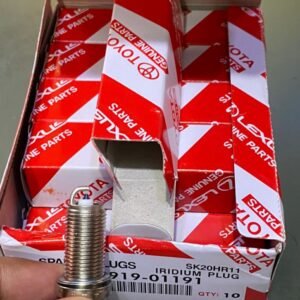
Spark plugs should be matched to the engine, not simply chosen by electrode material or brand. Useful details can include the plug number, engine application, electrode type, heat range, thread diameter and reach. These specifications affect whether the plug physically fits and suits the engine.
Iridium describes an electrode material; it does not mean every iridium spark plug fits every petrol engine. When replacing plugs, compare the current plug number with the required reference for your engine and follow the vehicle or spark plug manufacturer's application guidance.
Air Filters & Oil Filters
Filters should be selected by exact application. Air filters can differ in size, frame shape and sealing design. Oil filters can vary by thread, diameter, sealing surface, internal design and engine application. Two filters can appear almost identical while having an important dimensional or design difference.
Check the engine variant and part or reference number before ordering. Use confirmed dimensions and the printed reference as supporting information rather than relying only on visual similarity.
Brake Pads & Brake Components
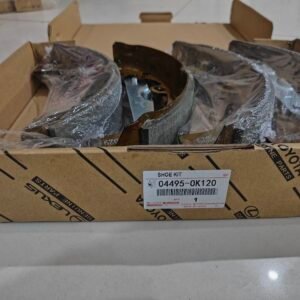
Brake components can vary by model year, generation, trim, axle position and braking system. Front and rear brake pads are different applications and should not be treated as interchangeable. Some versions of the same vehicle can also use different brake setups.
Before selecting brake pads or related components, check whether the listing is for the front or rear, confirm the vehicle variant and compare part or reference numbers where available. Brake components are safety-related items, so fitment should be confirmed before purchase.
Genuine, OEM & Compatible Parts
Automotive listings may use terms such as genuine, OEM, aftermarket or compatible. “Genuine” generally refers to a part sold under the vehicle manufacturer's brand. “OEM” usually refers to an original equipment manufacturer or supplier, although sellers may use the term differently. Aftermarket or compatible parts are replacement products sold outside the vehicle manufacturer's branded parts channel.
These labels do not confirm fitment by themselves. A genuine or OEM-labelled item can still be wrong for a different engine, generation or part number. Check the product description, manufacturer, reference number and stated application before ordering.
What Affects Automotive Product Prices?
Prices can vary according to product type, brand, vehicle application, specification, pack size, manufacturing source and current availability. Lubricants and fluids may differ by formulation and quantity, while replacement parts can vary according to genuine-branded, OEM or aftermarket positioning.
Imported stock and supply conditions can also affect current prices in Pakistan. Instead of relying on an old price mentioned elsewhere, check the current product card for the latest listed price, pack size and availability.
What to Check Before Ordering Automotive Products Online
Start by confirming the exact product type you need, then check the vehicle make, model, year and generation. For engine-related products, verify the engine variant or code where relevant. For transmission products, confirm the transmission type and required fluid specification. For brake components, confirm the front or rear position.
Next, compare part numbers, OEM or reference numbers, lubricant grades, API or ACEA specifications, manufacturer requirements, pack size and quantity. Read the product description rather than relying only on the image or title. If a key detail does not match your vehicle information, verify the application before ordering.
Frequently Asked Questions
How do I find the correct car part for my vehicle?
Start with the make, model, year and generation, then check the engine variant, transmission or axle position where relevant. Compare the required part number, OEM number or reference number with the listing.
Is the vehicle model alone enough to confirm compatibility?
No. The same model can be sold across different years, generations, engines and transmission types. Locally assembled and imported versions can also differ, so use full vehicle and part information.
What information should I have before buying an automotive product?
Keep the make, model, year, generation, engine details and transmission type available. For parts, note the reference number. For oils and fluids, check the required grade and specification.
How should I choose engine oil?
Use the vehicle manufacturer's required viscosity and performance specification as the main reference. Check the SAE grade, API or ACEA classification and any manufacturer-specific requirement. Viscosity alone does not prove compatibility.
What do 5W-30 and 10W-40 mean?
They are SAE viscosity grades. The first number with “W” describes low-temperature viscosity behaviour, while the second describes viscosity at higher operating temperatures. Neither grade is universally better.
Can I use ATF instead of CVT fluid?
Not unless the vehicle or transmission manufacturer specifically allows it. ATF and CVT fluids can have different formulations and performance requirements. Confirm the transmission type and exact fluid specification first.
Are iridium spark plugs compatible with every car?
No. Iridium refers to electrode material. The plug must still match the required number, heat range, thread, reach and engine application.
How do I choose the correct air or oil filter?
Match the filter to the engine application and reference number. Dimensions and sealing design also matter. Visual similarity alone does not prove that a filter will fit correctly.
How do I choose the correct brake pads?
Confirm the model, year, generation, trim and braking system, then check whether you need front or rear pads. Compare the product or reference number where possible.
What is the difference between genuine, OEM and aftermarket parts?
Genuine parts are generally sold under the vehicle manufacturer's brand. OEM usually refers to an original equipment manufacturer or supplier, while aftermarket parts are replacement products sold outside the vehicle manufacturer's branded channel. Always verify the actual part number and application.